Our Projects

KePROS

The Kenya Psychosis-Risk Outcomes Study (KePROS) is a research study that aims to better understand the causes and course of the earliest stages of psychosis among young people. The project is multistage, where enrolment of youthful participants aged 14-25 years starts with pre-screening that happens at the population level in the community as well as institutions of learning. Individuals who score high on the psychotic component of WERCAP screener at taken through screening.

AFRIMEB Science. People. Possibility.
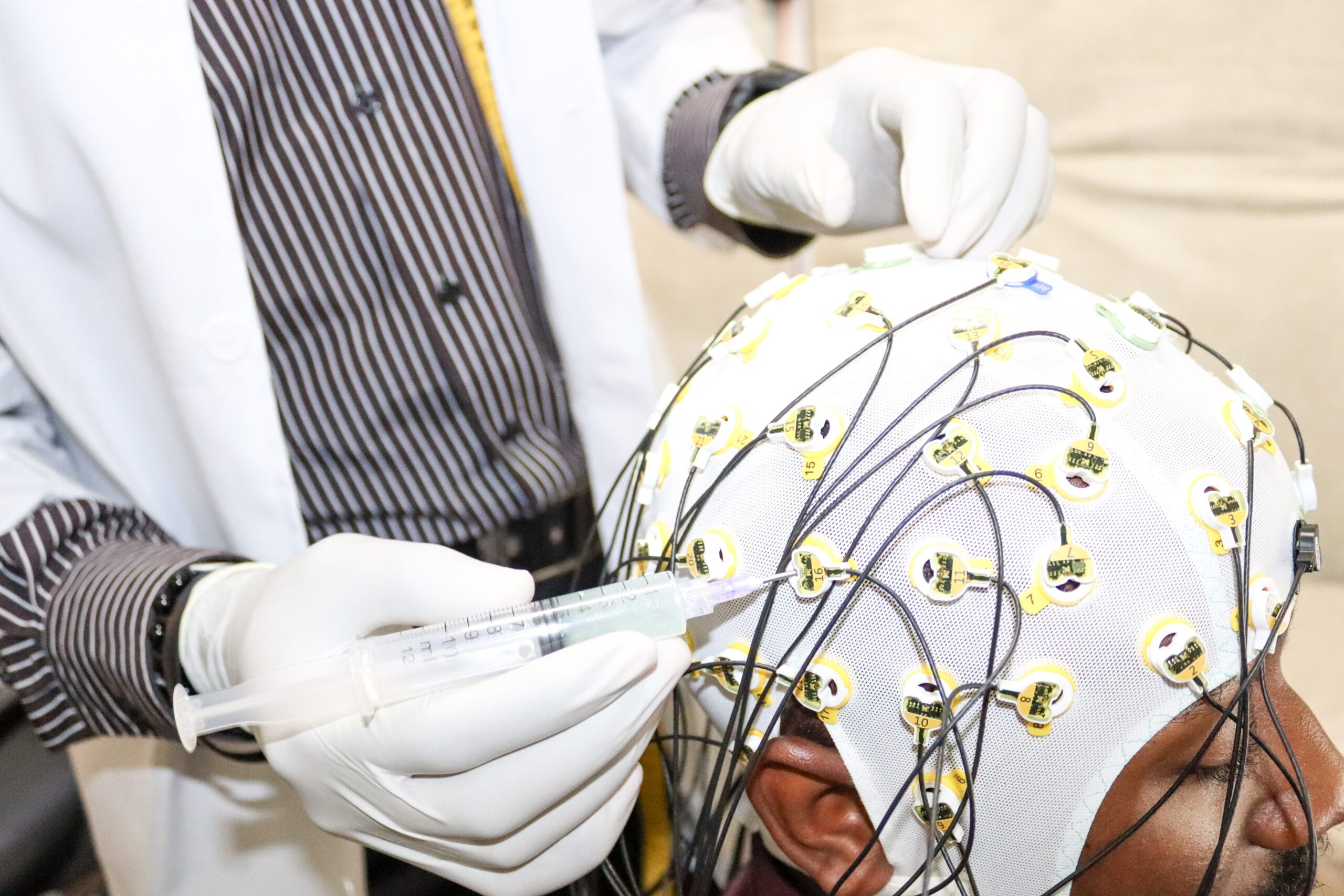
A clinician fitting an EEG cap during brain health research at AFRIMEB

Ke Pros

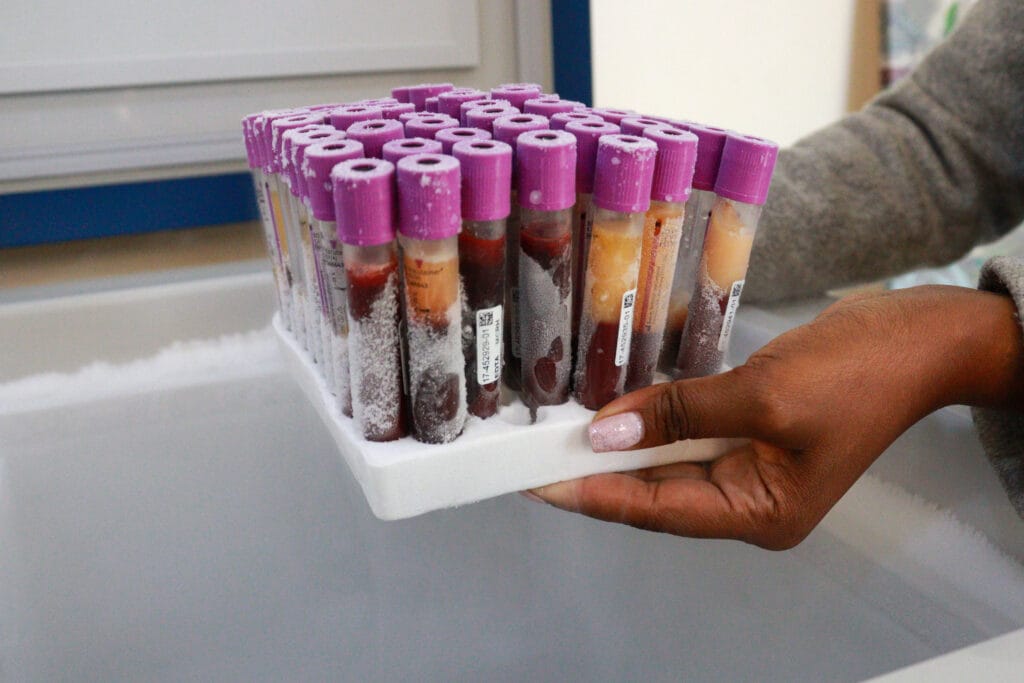
Why now: Unlike an earlier study the current neuropsychiatric project comprises more elaborate assessments, and for the first time involves MRI and electrophysiological investigations. Identical assessment methods with AMP SCZ promise a broad array of data that can be validly compared with that from other global populations.

Intended outcome: A major benefit of KePROS is its biomarker research capacity building in Kenya, which will facilitate future investigations beyond the current study.

Funding support: National Institutes of Health (NIH).

Lead Researchers: Professor David Ndetei, Daniel Mamah, MD, Dr Victoria Mutiso.

Progress begins with people

Let’s build a healthier
future for Africa. Together.

↑