Clinical care / Memory Clinic
The AFRIMEB
Memory Clinic
Assessment, diagnosis and support for people experiencing memory difficulties, cognitive changes and dementia-related conditions.
Supporting individuals, families and referring health professionals.
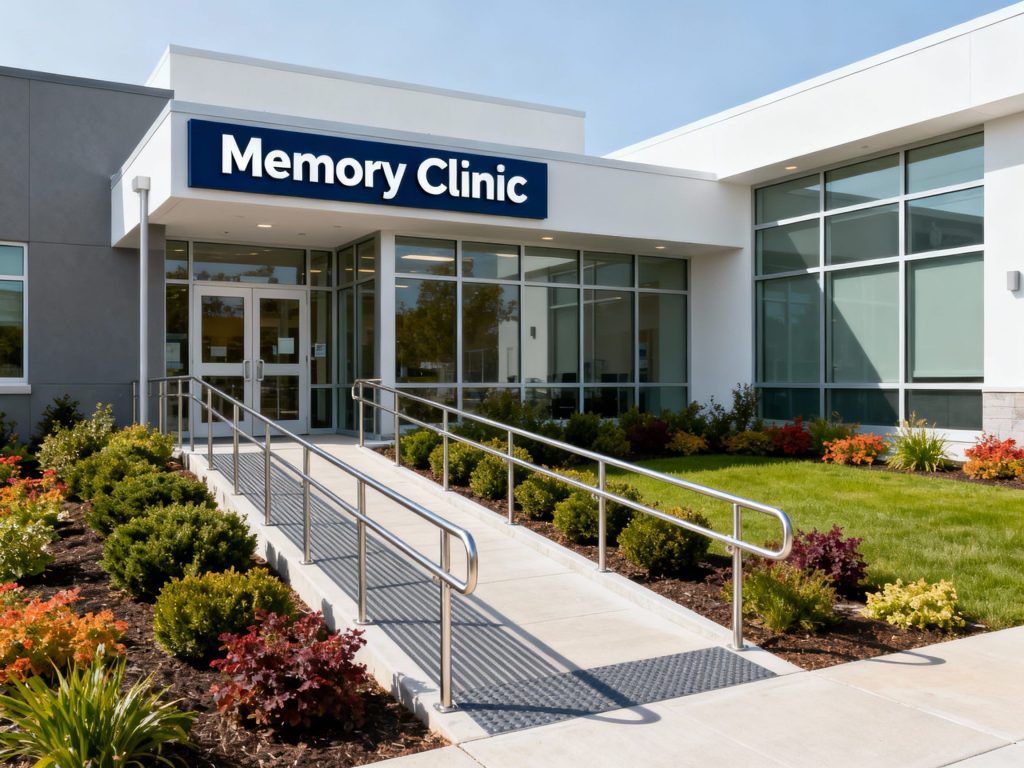
Specialist attention. Family involvement.
Understanding changes in memory
A clear path to assessment and support.
AFRIMEB established the Memory Clinic to strengthen cognitive health services in Kenya and the wider African region. Its protocols and procedures align with internationally recognised standards for memory assessment and care.
01
Individuals and families
People noticing memory difficulties in themselves, and family members or caregivers concerned about changes in a loved one, can contact AFRIMEB directly to request an appointment.
02
Health professionals
Primary healthcare providers and specialists across Kenya can refer clients for comprehensive memory assessments, specialist investigations where indicated, and ongoing monitoring.
A thorough clinical assessment
Understanding the person behind the symptoms.
The clinical team brings together several aspects of assessment to understand memory concerns and distinguish between mild cognitive impairment, different forms of dementia and other neurological conditions.
01
History and everyday life
A detailed patient history and review of medical conditions, medications, lifestyle and psychosocial circumstances help build a complete picture.
02
Cognitive and physical assessment
Standardised cognitive screening and mental status examinations assess orientation, memory, attention, language and executive function. Physical examination complements these assessments.
03
Further investigations
When clinically indicated, the assessment may include neuropsychological testing, brain imaging such as MRI or CT, and potentially biomarker studies. Investigations depend on each person’s clinical needs.
After a diagnosis
Care that includes families and caregivers.
Post-diagnostic services combine treatment planning with practical support, tailored to the individual’s needs.
01
Treatment planning
The team develops a treatment plan, including pharmacological interventions where appropriate and continued monitoring.
02
Psychological therapies
Support may include cognitive stimulation and reminiscence therapy as part of the person’s care.
03
Caregiver education
Caregivers receive support and education to help them understand the diagnosis and their role in care.
04
Community connections
Connections to community resources support individuals and families beyond the clinic.
Care informed by research
Building evidence for better dementia care in Africa.
The Memory Clinic also provides a platform for dementia research. Locally relevant evidence helps inform policy and best practice for affordable and accessible mental health services.
AFRIMEB’s approach brings together multidisciplinary expertise, family involvement, community awareness, research, training and advocacy to improve mental and cognitive health outcomes for underserved populations.
Appointments and referrals
Speak to the AFRIMEB team.
To enquire about an assessment or refer a client, contact AFRIMEB. The team can advise on appointment arrangements and referral requirements.
Visit: Matumbato Road, Upper Hill, Nairobi, Kenya
Call: +254 20 265 1360
Email: info@amhf.or.ke
Tele-consultation · In development
AFRIMEB is developing tele-consultation to support people who live far from the clinic, within Kenya and beyond. Contact the team for updates on availability.